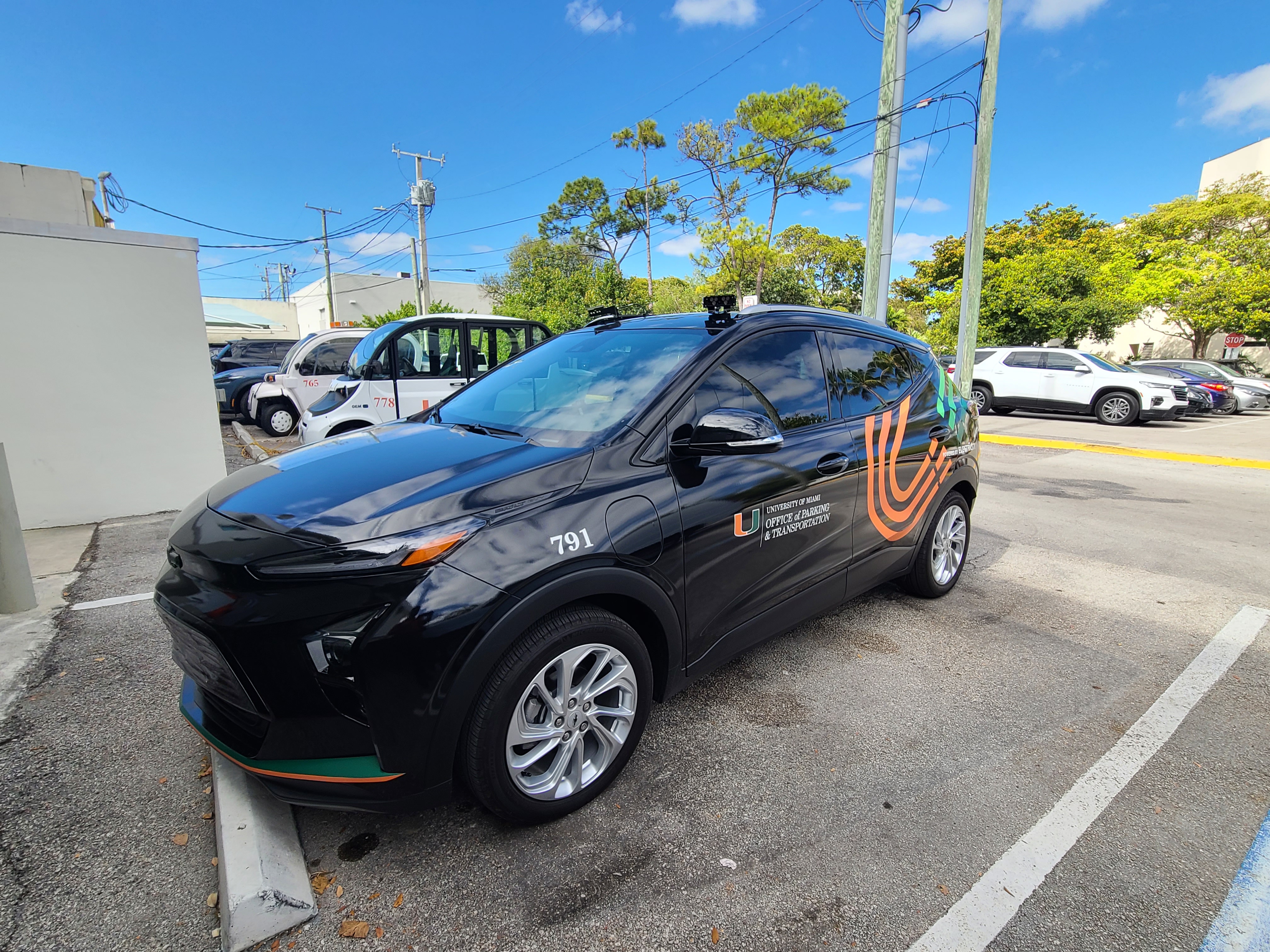
Citations and Immobilizations

pt enforcement pt enforcement

Citations & Immobilizations

The University of Miami is committed to maintaining a safe, accessible, and well-managed campus for all students, faculty, staff, patients, and visitors.


Parking citations and vehicle immobilizations are enforcement tools used to support compliance with University parking regulations and ensure fair access to campus parking resources.

We understand that receiving a citation or immobilization can be a disruptive experience. Our approach emphasizes clarity, fairness, and convenient resolution options supported by modern, customer-focused technology.

Visit the Immobilization FAQ page for more information about the Smart Self-Release Program.

Citations and Immobilizations

Open All Tabs
  • Parking Citations

    Parking Citations

    A parking citation may be issued when a vehicle is found in violation of University of Miami parking regulations, including but not limited to improper parking, lack of a valid permit, or failure to follow posted signage.


    Common Citation Reasons

    • Parking without a valid University permit
    • Parking in a restricted or reserved area without authorization
    • Exceeding posted time limits
    • Parking in fire lanes, loading zones, or accessible spaces without proper credentials
    • Improper use of visitor or service areas
    • Parking in micromobility or no-parking zones

    Citation Notification and Responsibility

    • Citations are issued to the vehicle and recorded in the University’s parking system.
    • Vehicle owners are responsible for all citations issued to their vehicle, regardless of the driver at the time of the violation.
    • Outstanding citations may impact permit eligibility, vehicle registration, or access to campus parking privileges.


  • Immobilization

    Vehicle Immobilization (Smart Booting)

    Vehicles may be immobilized when:

    • Multiple unpaid citations exceed the University’s enforcement threshold
    • Prior notices to resolve outstanding violations have not been addressed
    • A vehicle presents a safety concern or blocks access


    The University of Miami utilizes PayLock Smart Self-Release Immobilization Technology to provide a faster, more convenient resolution for customers.


    PayLock Smart Self-Release Boot System

    When a vehicle is immobilized, a PayLock smart boot is securely attached to the wheel. This system allows customers to self-release the boot after resolving outstanding violations, without waiting for on-site personnel.


    How It Works

    1. The immobilization notice provides a PayLock phone number and instructions.
    2. The customer calls the PayLock automated system.
    3. Outstanding citations and immobilization fees are paid over the phone.
    4. Once payment is confirmed, the PayLock system remotely unlocks the boot.
    5. The customer removes and returns the boot as instructed.


    This system is designed to reduce wait times, improve customer experience, and allow for timely vehicle recovery.


    Important PayLock Information

    • The boot will remain locked until all outstanding balances are paid in full.
    • Attempting to tamper with or damage the immobilization device may result in additional fines or disciplinary action.
    • Boots must be returned as instructed to avoid replacement charges.
    • Failure to resolve an immobilization may result in towing at the owner’s expense.

    Consequences of Non-Compliance

    Failure to resolve parking citations or immobilizations may result in:

    • Increased fines and administrative fees
    • Revocation of parking privileges
    • Vehicle towing
    • Student registration holds
    • Referral to collections or other administrative action

Top